Shadow AI, unknown AI agents, and other such unaccounted AI blind spots are legal liabilities. Truyo helps identify, monitor, and assess every AI system in your organization before regulators or plaintiffs get to them.
Most legal departments are still grappling with the realities of AI adoption as the risks close in from three directions.
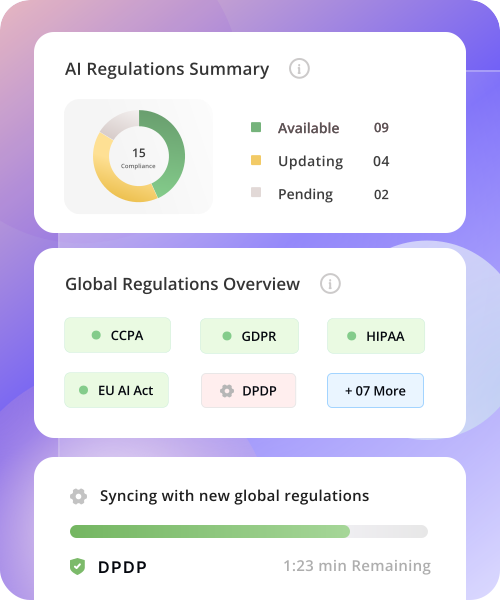
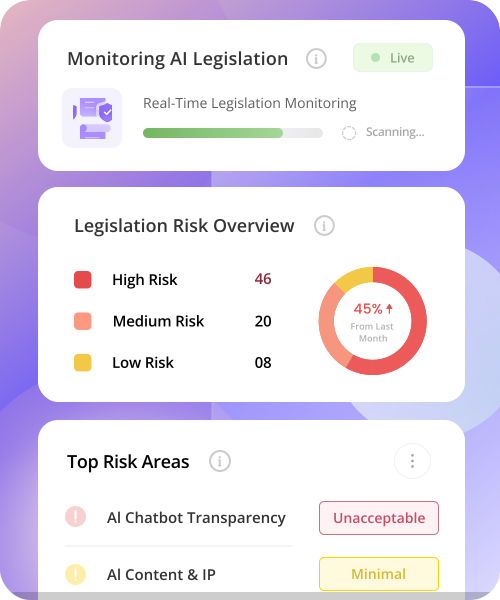
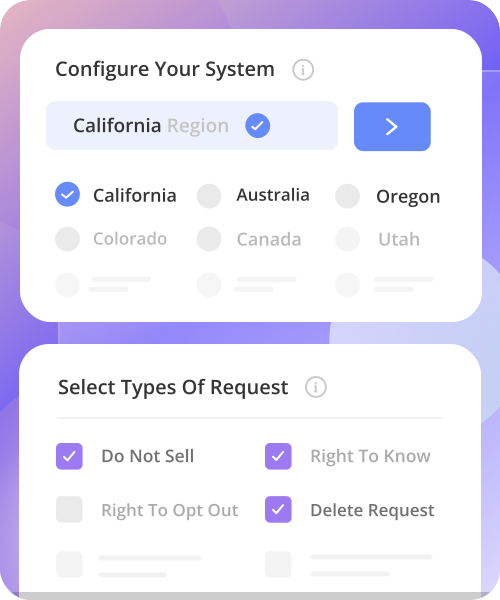
Global AI regulations are multiplying and evolving faster than any compliance team can track. From the EU AI Act to state-level legislation and every applicable privacy law in between, legal counsel must maintain continuous visibility.
Plaintiff attorneys are systematically probing every AI touchpoint, from chatbots and session replay tools to trackers and embedded agents. Any slip through the governance gap is a target.
Every AI system that touches personal data also carries privacy liability. As AI becomes embedded in more business processes, privacy risk bleeds into AI governance, leaving your organization open to enforcement action.
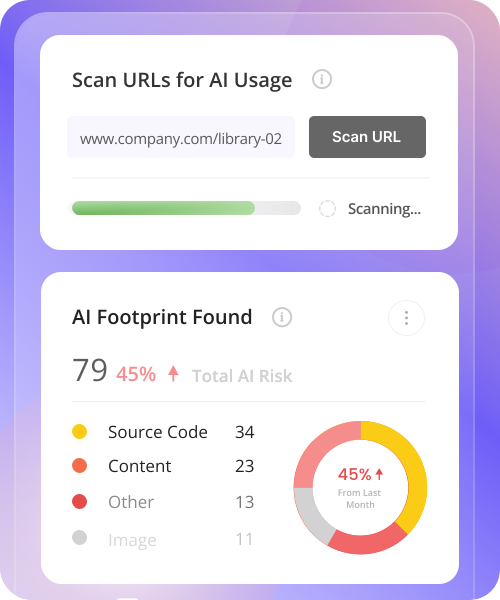
You cannot defend what you cannot see. That’s why Truyo offers AI governance features that help with transparency and risk management for your organization’s AI.
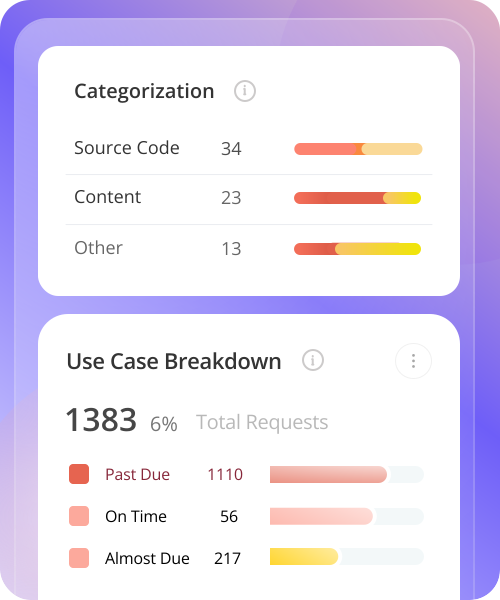
Execute forensic scanning of websites, content systems (Salesforce, HubSpot, OneDrive), source-code repositories (GitHub, Bitbucket, Azure Repo), AI Agents, and third-party vendors for AI fingerprints.
Utilize scheduled questionnaires capturing where and how AI is used. We also help gather insights on where the AI systems touch PII.
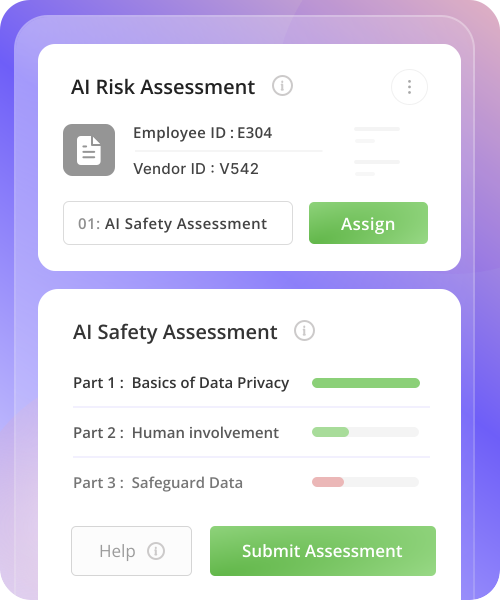
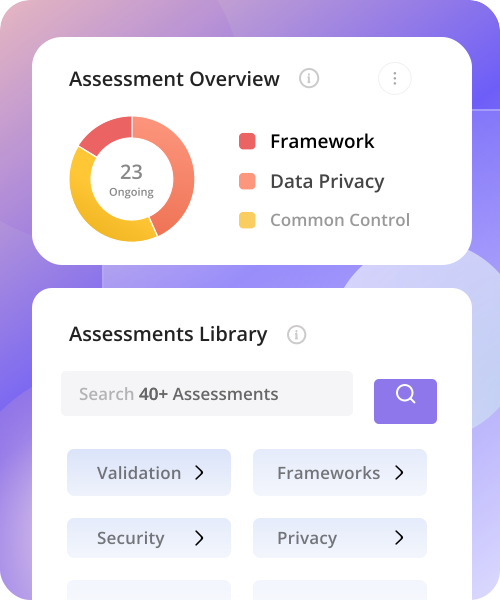
Perform built-in assessments based on different regulations, including the EU AI Act, California AI laws, Colorado AI Laws, NIST AI RMF, and more. Truyo also offers a customizable abbreviated version.
Get a comprehensive view of risks in the AI Risk Dashboard, Use Case lifecycle, and Risk Register, where scans, surveys, and assessments are consolidated.
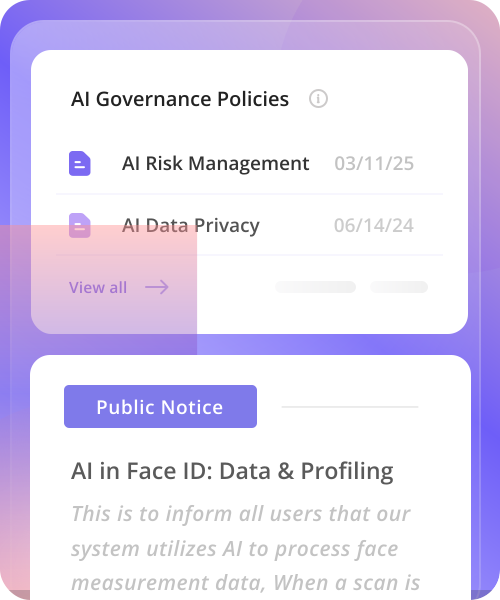
Generate your Internal Policy and Public Notice aligned to the organization’s identified AI usage and risk.
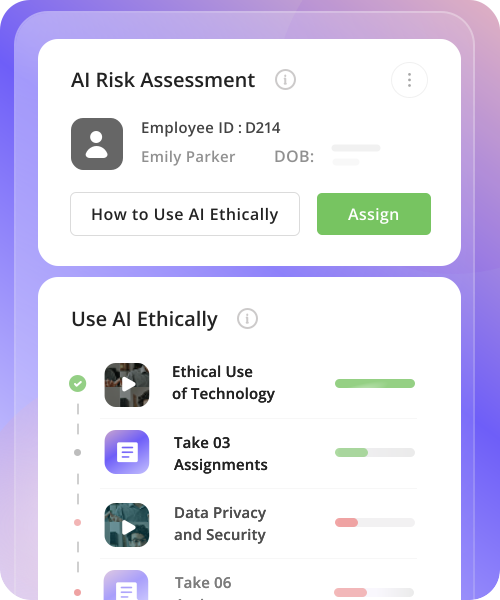
Ensure an educated workforce with AI Governance Training on ethics, bias, disclosure, and use cases; deliverable through the organization’s LMS or the Truyo LMS.